Explore the 2026 landscape of the NSW building and construction industry. Discover the latest on National Housing Accord targets, construction costs, NCC 2025 updates, and how 3D rendering is shaping the future of design.
The New South Wales (NSW) building and construction industry in 2026 is navigating a complex and transformative era. Following years of post-pandemic adjustments, the sector is now laser-focused on ambitious government housing targets, evolving building codes, and the pressing need for technological integration. For builders, developers, and designers, understanding the macroeconomic landscape—from construction costs to population shifts—is vital for staying competitive.
In this comprehensive guide, we explore the current state of the NSW building industry in 2026, analyzing the progress of the National Housing Accord, the latest construction cost trends, upcoming regulatory changes, and the design innovations shaping the future of the built environment.
The National Housing Accord: Are We on Track?
The cornerstone of Australia's current construction policy is the National Housing Accord, an ambitious agreement aiming to deliver 1.2 million new, well-located homes across the country by 2029. Under this framework, the NSW Government has committed to a target of 377,000 new homes, which translates to roughly 6,900 building completions required per month. To facilitate this, the government released specific 5-year housing completion targets for 43 councils across Greater Sydney, the Illawarra-Shoalhaven, Central Coast, Lower Hunter, Greater Newcastle, and regional NSW Housing targets - NSW Planning Portal.
However, the reality on the ground in 2026 paints a challenging picture. Current projections indicate that NSW is approximately 31% short of its housing target, on track to deliver only around 258,000 homes over the Accord period NSW is 31% short of its housing target — prefab is the plan. While recent Development Application (DA) lodgements and approvals have shown a substantial increase, indicating a future uptick in construction, the volume remains well below what is required to hit the 377,000 mark Will NSW meet its housing target? - The Centre for Independent Studies.
Nationally, the outlook is similar. The National Housing Supply and Affordability Council forecasts that the 1.2 million homes target will likely be met by September 2030, over a year behind the original deadline State of the Housing System 2026. To bridge this gap, industry leaders and the NSW Government are heavily investing in Modern Methods of Construction (MMC), such as prefabrication, which has the potential to reduce construction times by 20% to 50% NSW is 31% short of its housing target — prefab is the plan.
Construction Cost Trends and Population Shifts
Managing construction costs remains a primary concern for builders and homebuyers alike in 2026. Nationally, construction costs are forecast to rise between 4% and 6% this year, driven by ongoing labor shortages and material cost pressures Australia’s construction sector activity reaches $318 billion as cost pressures re-emerge - RLB | Oceania.
Interestingly, NSW is experiencing a unique dynamic. The state's building cost increases are currently tracking below the national average What construction cost trends mean for homebuyers in 2026. This moderation in cost escalation is partly tied to demographic shifts; data shows that more people left NSW than arrived in the year leading up to September 2025. Despite this outward migration, housing demand remains intensely high due to historical undersupply, keeping NSW's average home price the highest in the country at a staggering $1.325 million What construction cost trends mean for homebuyers in 2026.
Planning and NCC 2025 Changes
Regulatory compliance is another major theme for 2026. The National Construction Code (NCC) 2025 preview was released in February 2026, with jurisdictions given the green light to consider adoption from May 1, 2026 NCC 2025 – key changes NSW.
For residential builders in NSW, there is a silver lining regarding regulatory stability. Building ministers have agreed in principle to a national pause on further residential NCC changes (excluding essential safety and quality fixes) until around 2029. This freeze is designed to give the industry a stable rulebook while the code is modernized NCC 2025 – key changes NSW. Furthermore, the immediate impact of NCC 2025 on standard house builders in NSW is relatively minimal, as the major updates predominantly affect commercial structures and apartment buildings NCC 2025 in NSW: Why NSW Still Hasn't Adopted It.
Design Trends Shaping 2026
As the industry strives for efficiency and sustainability, several key design trends are dominating the NSW market:
- Green Building and Sustainability: With environmental consciousness at an all-time high, there is a massive pivot toward green building practices. Energy-efficient designs, sustainable materials, and passive heating/cooling systems are no longer niche but standard expectations Construction trend prediction in Australia for 2026 and beyond.
- Modern Methods of Construction (MMC): As mentioned, prefabrication and modular housing are critical to solving the housing crisis. Designs are increasingly being optimized for off-site manufacturing to bypass on-site labor shortages and weather delays.
- AI and Building Information Modelling (BIM): The integration of AI and BIM is revolutionizing project delivery. These digital tools provide a shared, intelligent 3D model that enhances collaboration, detects hazards, and improves overall project management Construction trend prediction in Australia for 2026 and beyond.
What This Means for Builders and Designers
For professionals in the NSW construction sector, 2026 is a year of adaptation. The pressure to deliver homes faster to meet the National Housing Accord targets, combined with the need to keep costs manageable, means that traditional, slow-paced building methods are becoming obsolete. Builders and designers must embrace technology, streamline their approval processes, and find innovative ways to communicate their vision to clients and local councils to avoid costly delays.
How 3D Rendering and Design Services Help
In a high-stakes environment where time is money and DA approvals are critical bottlenecks, professional 3D rendering and design services are indispensable tools for builders, architects, and developers.
3D Visualisation
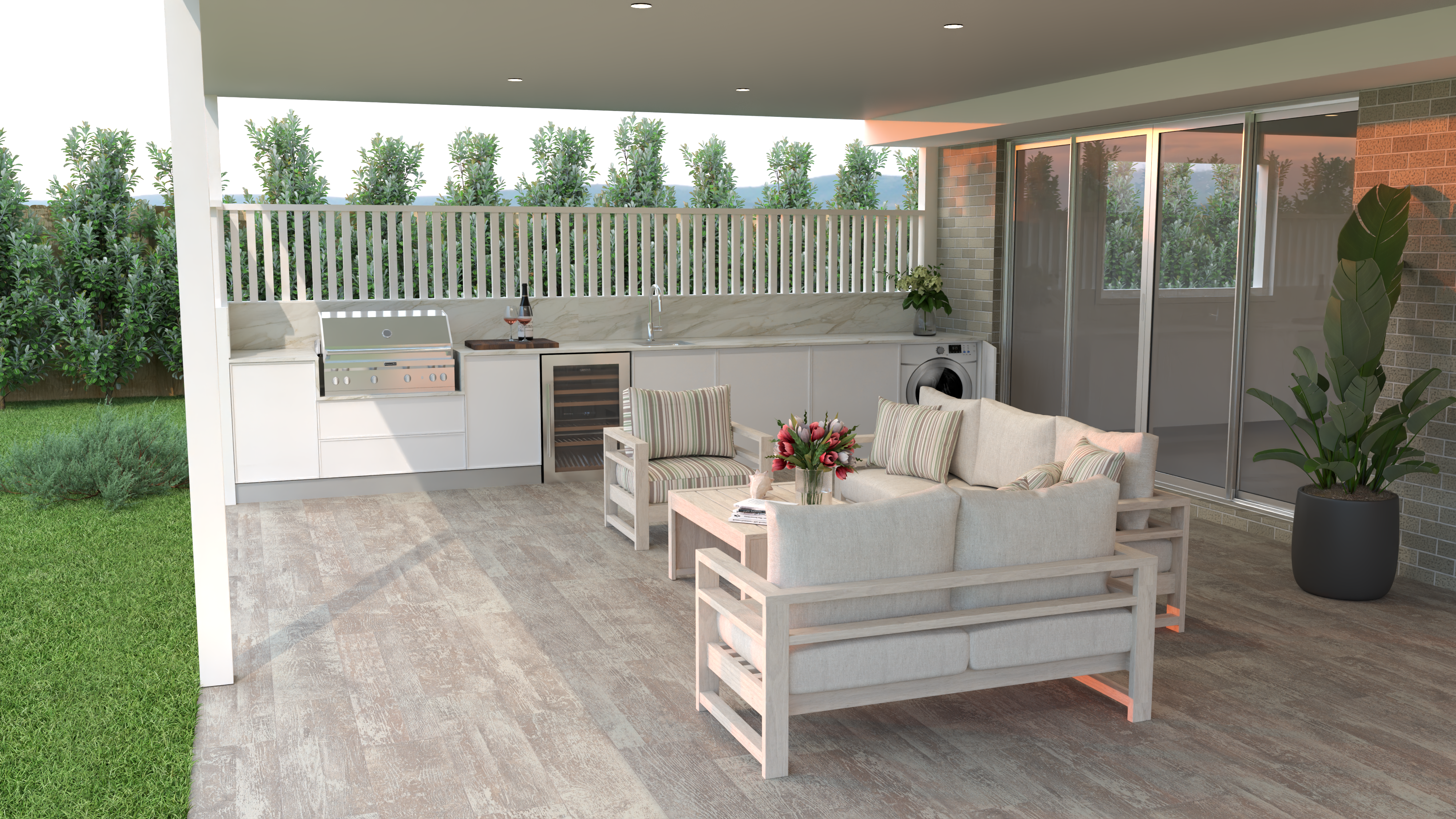
High-quality 3D visualisation bridges the gap between technical blueprints and the final product. By providing a photorealistic preview of a project, builders can secure faster client approvals and pre-sell off-the-plan properties with ease. This reduces settlement risks and minimizes the need for construction loan extensions, which is crucial given the current economic climate.
Interior Design
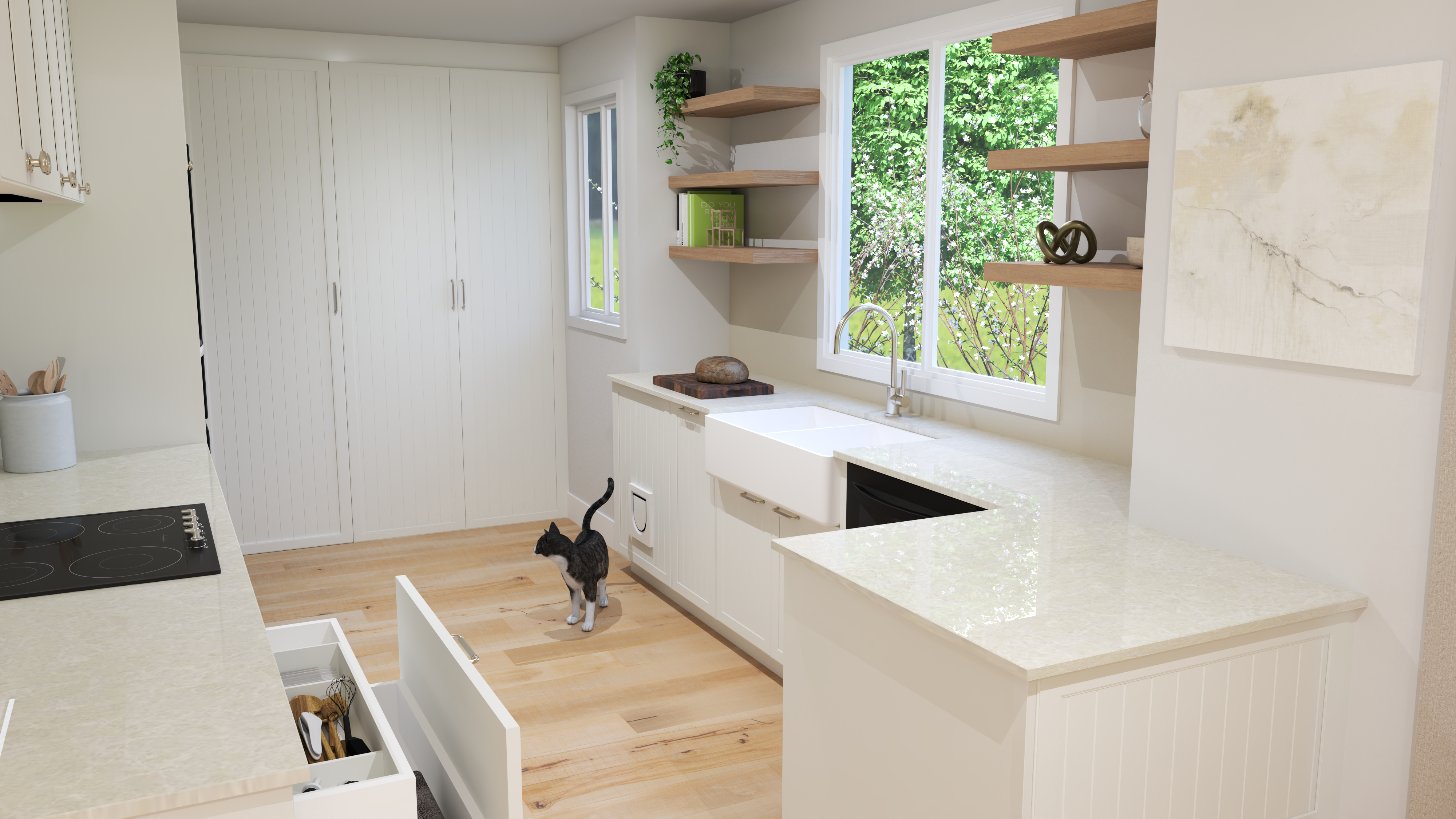
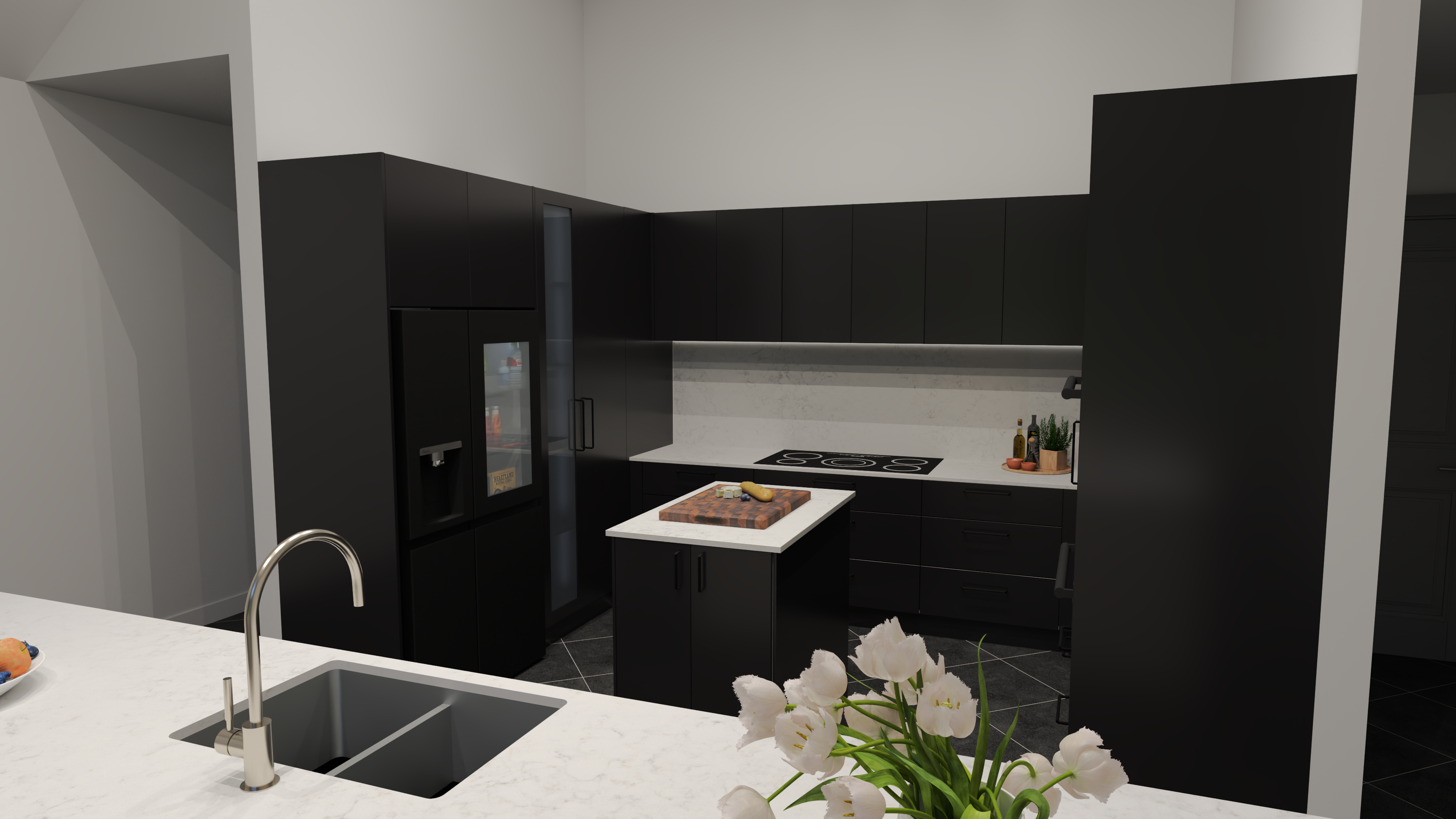
Modern homebuyers in NSW expect premium, functional, and sustainable interiors. Professional interior design services integrated with 3D rendering allow clients to walk through their future homes virtually. This process helps in finalizing material selections, color palettes, and lighting setups long before construction begins, drastically reducing costly on-site variations and rework.
Exterior Rendering
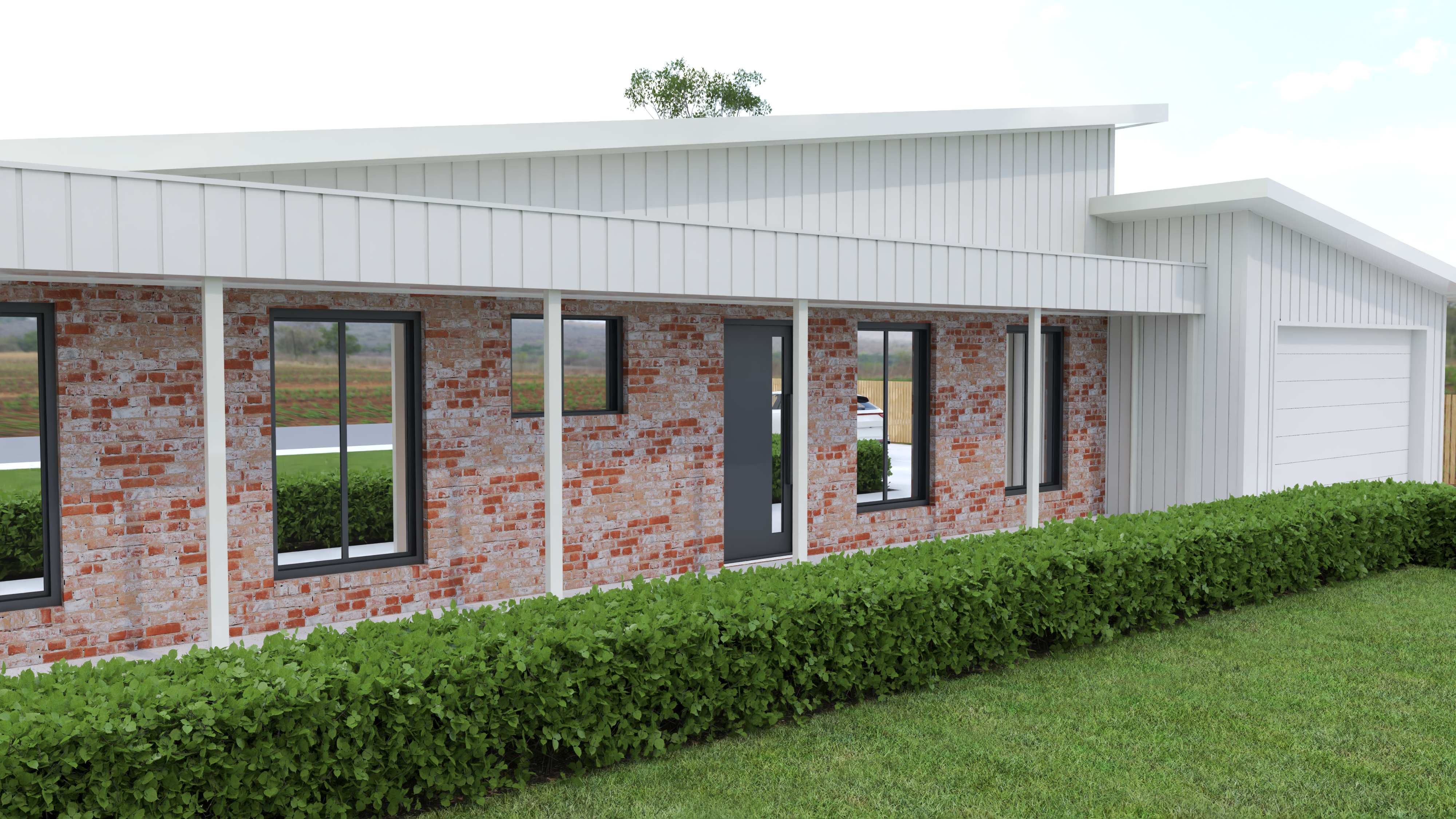
Navigating the DA process with local NSW councils can be notoriously slow. High-quality exterior renderings provide planning authorities with a clear, accurate depiction of how a proposed development will integrate into the existing streetscape. This transparency can alleviate council concerns, streamline the public consultation process, and expedite DA approvals—helping builders get shovels in the ground faster.
Joinery CAD
Precision is paramount, especially with the rise of prefabrication and MMC. Detailed Joinery CAD (Computer-Aided Design) drafting ensures that custom cabinetry, kitchens, and built-in furniture are manufactured to exact specifications. This level of digital precision eliminates guesswork, reduces material waste, and ensures seamless installation on site, perfectly aligning with the industry's push for greater productivity and efficiency.
Conclusion
The NSW building industry in 2026 is defined by a delicate balancing act. While the state faces significant hurdles in meeting its ambitious 377,000 housing target and managing construction costs, the path forward is clear. By embracing regulatory stability, adopting modern construction methods, and leveraging advanced technologies like BIM and 3D rendering, builders and designers can navigate these challenges successfully. As the industry evolves, those who invest in digital precision and efficient design workflows will be the ones leading the charge in shaping the future of New South Wales.

Written by
White Fox 3D Studio
Professional 3D rendering and interior design studio based in Victoria, Australia.