An in-depth look at the Queensland building industry in 2026, covering National Housing Accord progress, construction cost trends, NCC 2025 updates, and the rise of 3D visualization.
Introduction: The State of Play in 2026
As we move through 2026, the Queensland building and construction industry finds itself at a critical juncture. The state is currently grappling with a unique set of pressures: a surging population, ambitious federal housing targets, and the looming infrastructure requirements of the 2032 Brisbane Olympics. While the sector remains a powerhouse of the state economy, the landscape has shifted significantly since the post-pandemic recovery years.
Today, builders and designers are navigating a more regulated, tech-driven, and cost-conscious environment. This report explores the data-driven realities of the industry in 2026, from the progress of the National Housing Accord to the latest design trends and the digital tools helping the industry keep pace with demand.
National Housing Accord: Is Queensland on Track?
The National Housing Accord (NHA), which commenced in mid-2024, set an ambitious national target of building 1.2 million new, well-located homes over five years Delivering the National Housing Accord. For Queensland, this translates to a population-implied share of approximately 246,000 homes Australia's 1.2 Million Homes Target: Progress, Funding, and Accountability | BuildStreet.
The Reality of the Data
As of the March 2026 quarterly reports, Queensland has completed approximately 17% of its total target Australia's 1.2 Million Homes Target: Progress, Funding, and Accountability | BuildStreet. While this represents thousands of new dwellings, the state is currently projected to hit its Accord target by September 2030—roughly one year behind the original June 2029 deadline What construction cost trends mean for homebuyers in 2026.
Several factors contribute to this delay:
- Population Pressure: Approximately 76,000 people moved to Queensland in the year leading up to September 2025 What construction cost trends mean for homebuyers in 2026. The sheer speed of migration is currently outstripping the pace of new home completions.
- The Approval-to-Construction Gap: Industry leaders have noted that while approval performance has improved, "getting fewer out of the ground" remains a challenge due to post-approval system bottlenecks Housing Supply Rises but Accord Targets Remain Elusive.
- Social Housing Progress: The Queensland Government remains committed to delivering 53,500 social and community homes by 2044 Strategic Plan 2026–30. Between late 2024 and early 2026, the Planning Minister approved 20 social and affordable housing Ministerial Infrastructure Designations (MIDs), totaling 1,280 homes National Planning Reform Blueprint.
Construction Cost Trends in 2026
Construction costs in Queensland have shown signs of stabilization compared to the volatile spikes of 2022-2023, but they remain elevated. In the year to March 2026, house construction prices in Queensland rose by 3.9% What construction cost trends mean for homebuyers in 2026. While this is slightly below the national average of 4.1%, the cumulative effect of previous years' inflation means the cost to build remains a significant barrier for many.
Key Cost Drivers
- Material Costs: Reports continue to indicate material cost hikes ranging from 5% to 50% for specific components Rising construction costs increase pressure on Queensland’s housing supply | Master Builders Queensland.
- Labor Shortages: A persistent shortage of skilled trades continues to drive up wages. The industry is calling for a return to technical colleges to bolster the pipeline of workers Planning reform and housing supply | Progress toward NHA targets.
- Infrastructure Competition: Southeast Queensland (SEQ) is facing unique trade pressure as labor is diverted to major Olympics-related infrastructure projects What construction cost trends mean for homebuyers in 2026.
Planning and NCC 2025 Changes
The introduction of the National Construction Code (NCC) 2025 has brought significant updates to building standards. In Queensland, these changes are being implemented with a focus on balancing improved building quality with housing affordability.
Sustainability and Resilience
NCC 2025 introduces reforms aimed at improving fire safety, structural performance, and overall building resilience Proposed changes in NCC 2025: a comparison with NCC 2022. A major focus is on "carbon-smart" design and energy efficiency, which are now becoming standard practice rather than optional extras 6 Construction Trends Shaping Queensland in 2026 - Harness Energy.
Residential Stability
Notably, Building Ministers agreed in late 2025 that there would be no further major residential changes in NCC 2025 outside of essential safety and quality updates Building Ministers' Meeting, October 2025. This decision was made specifically to avoid placing further cost burdens on the residential construction sector during the housing crisis.
Sanitary and Accessibility Updates
Key technical changes include updated requirements for sanitary facilities, such as increased closet pan ratios for female patrons and the mandatory inclusion of menstruation product dispensers in certain building types NCC 2025 key changes - National Construction Code.
Design Trends Shaping 2026
Design in 2026 is defined by a "practical-meets-sustainable" philosophy. As Queenslanders deal with higher living costs, homes are becoming smarter and more efficient.
- The Rise of the 'Missing Middle': There is a significant shift toward medium-density housing—townhouses, duplexes, and low-rise apartments—to meet the NHA targets Australia's 1.2 Million Homes Target: Progress, Funding, and Accountability | BuildStreet.
- Accessible Technology: Digital construction tools are no longer just for mega-projects. Everyday sites are using 3D models for planning and mobile reporting tools to boost productivity 6 Construction Trends Shaping Queensland in 2026 - Harness Energy.
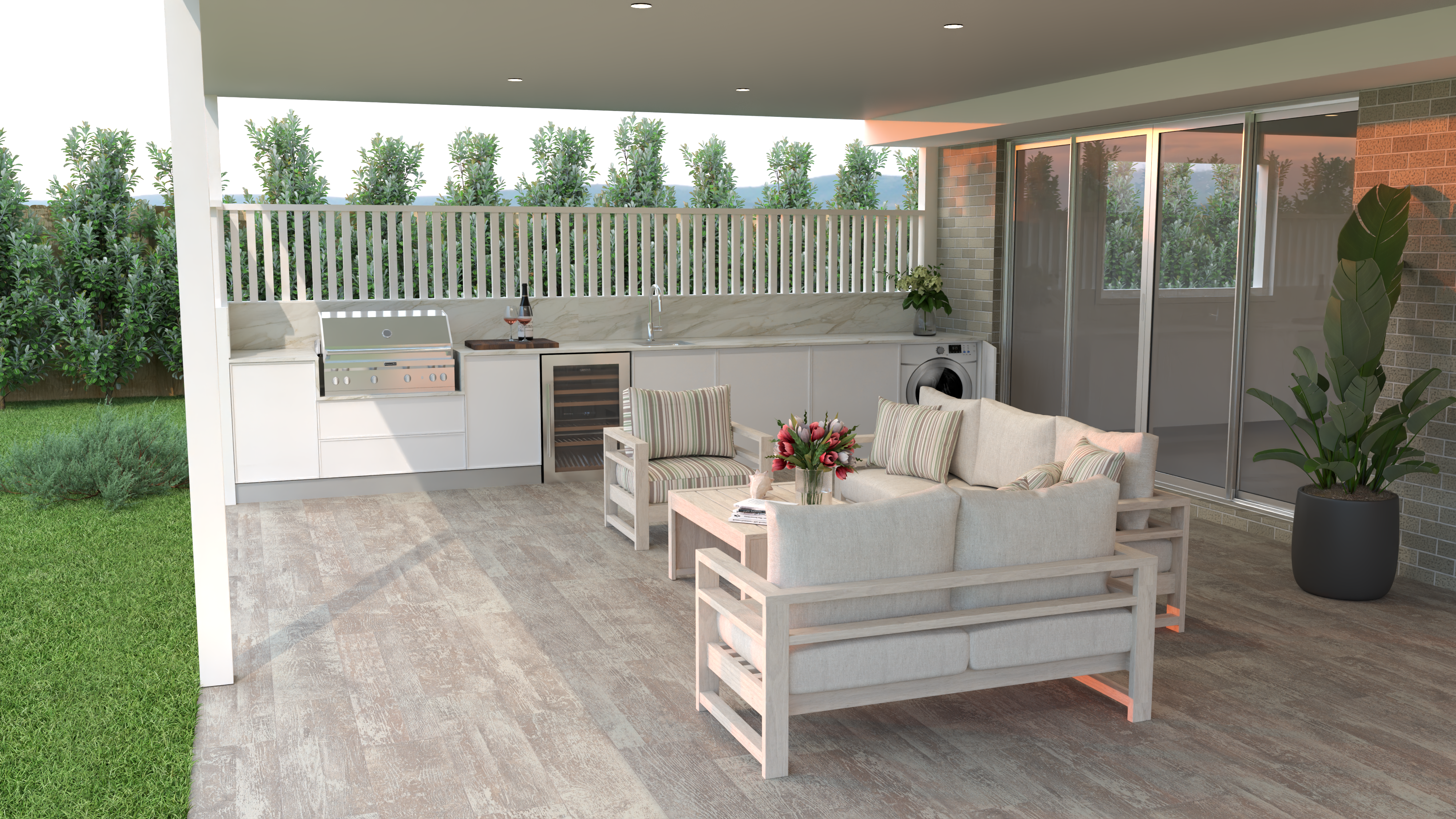
- Biophilic and Climate-Responsive Design: Given Queensland's climate, designs that prioritize natural ventilation, solar orientation, and indoor-outdoor living are paramount to reducing long-term energy costs.
What This Means for Builders and Designers
For professionals in the industry, 2026 is a year of adaptation. The "business as usual" approach is being replaced by a need for extreme efficiency. Builders must find ways to reduce the time between approval and construction to remain profitable in a high-cost environment.
Upskilling is also essential. With the NCC 2025 changes and the push for sustainable construction, designers and tradespeople who understand low-impact construction methods and energy-efficient materials are in high demand 6 Construction Trends Shaping Queensland in 2026 - Harness Energy.
How 3D Rendering and Design Services Help
In this high-stakes environment, digital design services have moved from a luxury to a necessity. They provide the bridge between a conceptual approval and a successful build.
3D Visualisation and Exterior Rendering
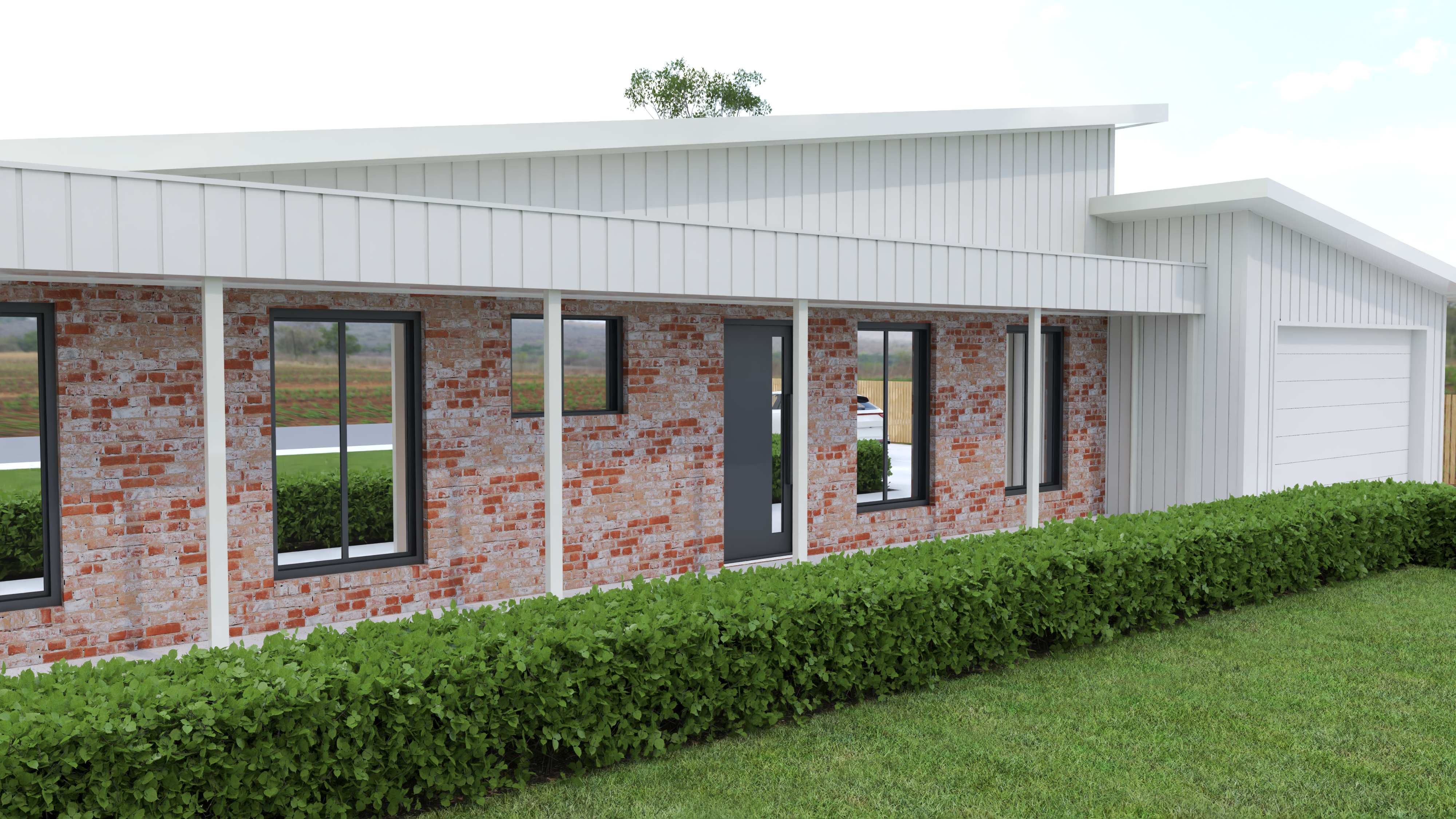
3D visualization allows builders to identify potential design flaws before a single brick is laid. High-quality exterior rendering is also a powerful tool for securing pre-sales and community buy-in for medium-density projects, which is vital for maintaining cash flow in a high-interest-rate environment.
Interior Design and Joinery CAD
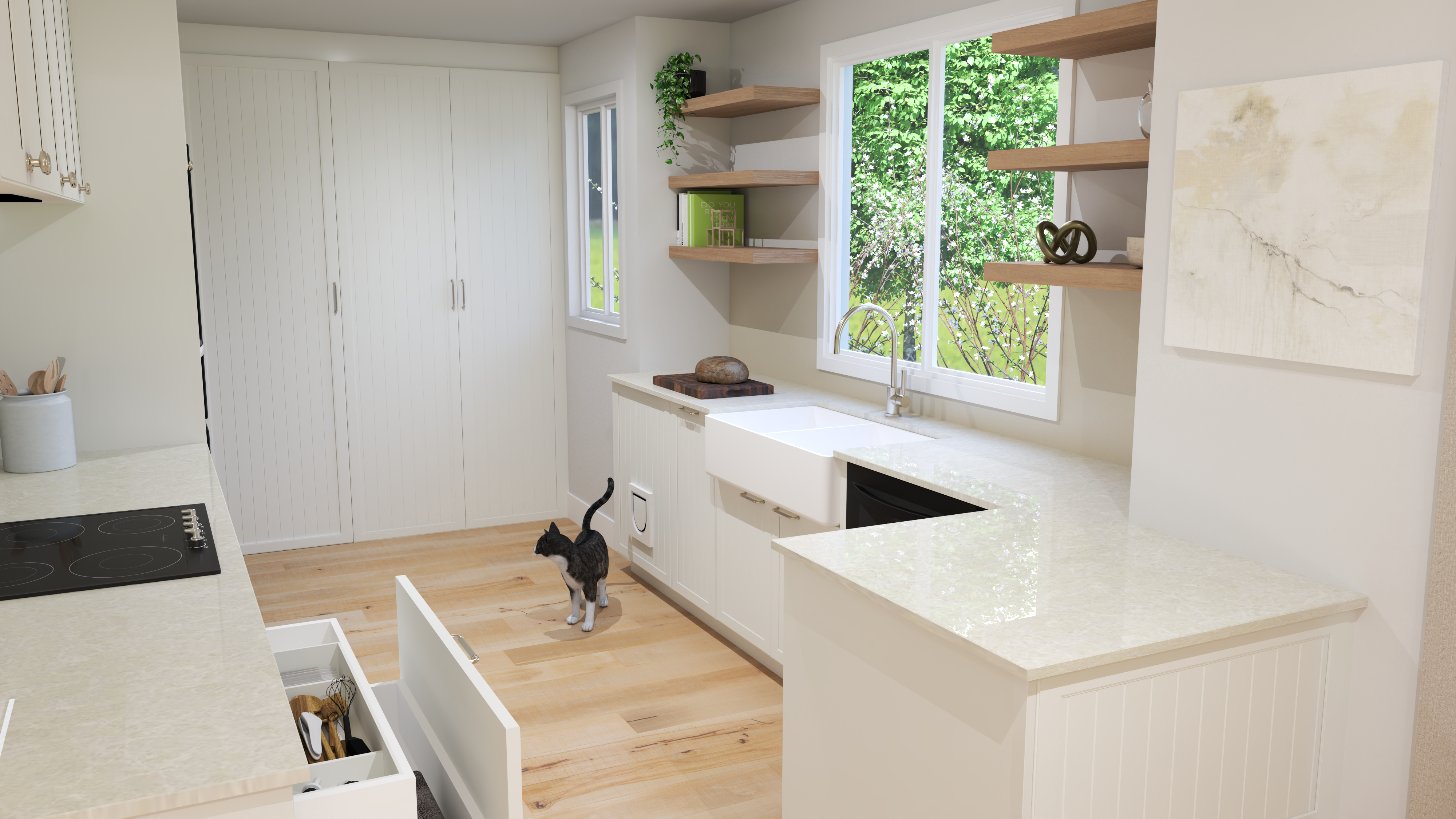
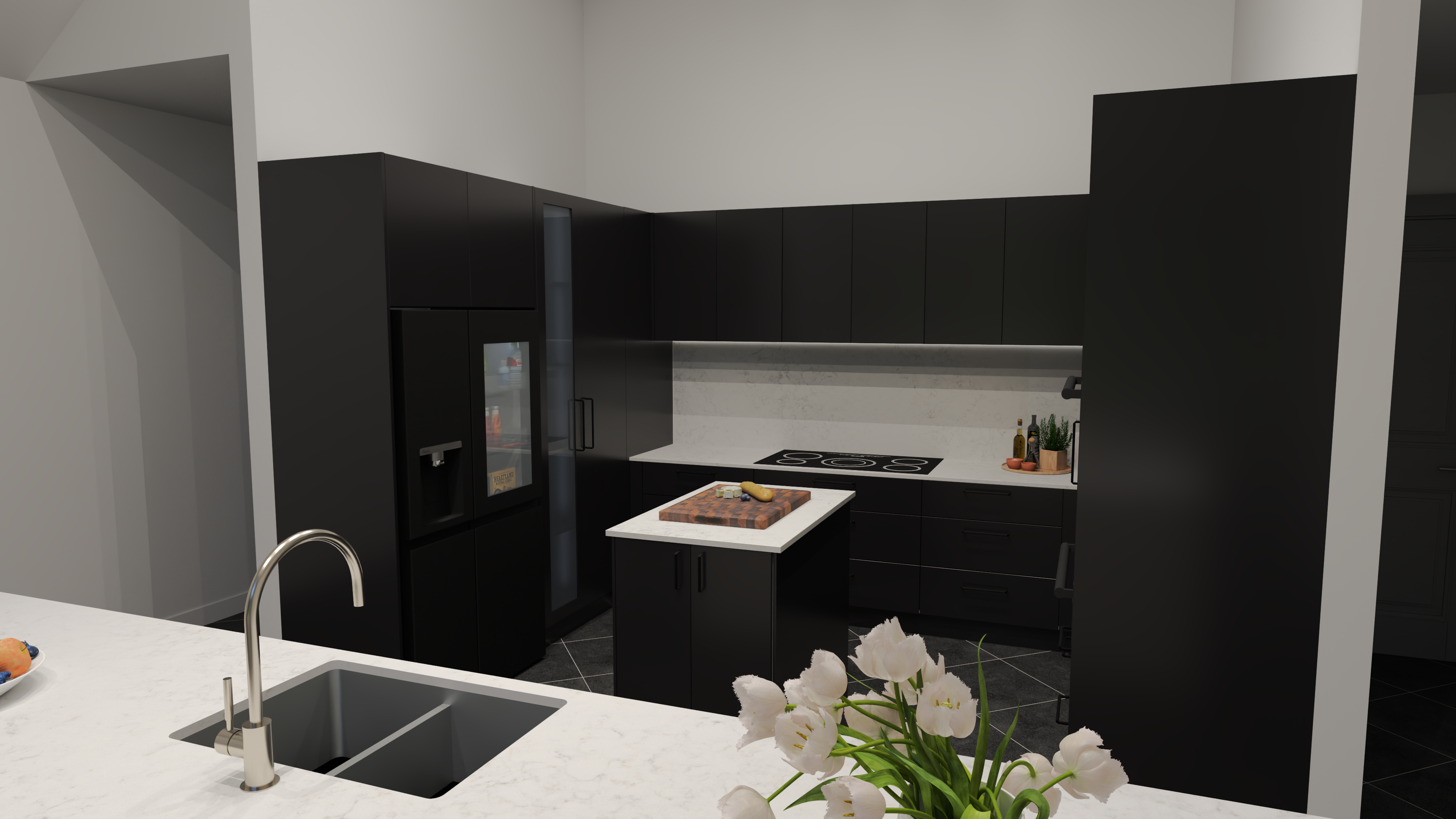
With the cost of materials remaining high, precision is everything. Joinery CAD services ensure that every millimeter of a kitchen or bathroom is accounted for, reducing material waste and onsite labor time. Professional interior design services also help homeowners make cost-effective material selections that meet NCC 2025 sustainability standards without breaking the bank.
Streamlining Approvals
Using 3D models for planning helps local councils and planning ministers visualize the impact of a project, potentially speeding up the MID approval process for social and affordable housing 6 Construction Trends Shaping Queensland in 2026 - Harness Energy.
Conclusion: Looking Toward 2027 and Beyond
Queensland’s building industry in 2026 is characterized by resilience in the face of significant challenges. While the National Housing Accord targets are currently running behind schedule, the industry is evolving. By embracing new technologies, adhering to the updated NCC 2025 standards, and utilizing advanced 3D rendering and design services, Queensland builders can navigate the current cost pressures and help deliver the homes the state so desperately needs.
The road to 2030 will be demanding, but for those who leverage digital tools and sustainable practices, the opportunities in the Sunshine State remain vast.

Written by
White Fox 3D Studio
Professional 3D rendering and interior design studio based in Victoria, Australia.